The Problem As the first-grade teacher for inquisitive six-year-olds, Emily Morse is always looking for new projects to inspire her students. With a recent culture shift in her district to
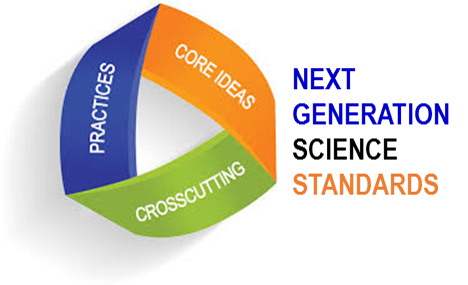
Read MoreCrosscutting concepts are one of the three dimensions of science teaching and learning that are included in the performance expectations of the Next Generation Science Standards. In this post, I
Read MoreBy Anne Jolly "Assessment should be deliberately designed to improve and educate student performance, not merely to audit as most school tests currently do." - Grant Wiggins You’
Read MoreOver the past year, there has been an increase in the discussion of how to prepare students for the future of work and the future of learning. With so many
Read MoreI have been teaching 7th-grade science for the past five years. Four years ago, I joined the staff at the Winkler Middle School in Concord, North Carolina. North Carolina is
Read MoreA new report on PBL shows elementary students who learned via PBL had higher math scores than peers who learned via traditional instruction. By Jackie Zubrzycki Elementary school students in
Read MorePowerful learning does not happen in isolation. This is especially true for our students, which is why STEM learning is so critical. Learning within siloed subject areas does not allow
Read MoreBy Anne Jolly How can students continue to grow in STEM habits and attitudes through holidays, weekends, and even during the school day, given the relatively short time that STEM
Read MoreBy Anne Jolly Kids are born creative, curious, and imaginative. They like to daydream and ask questions. Children you teach have the potential to make unusual connections, imagine, and come
Read MoreI visited an early elementary classroom the other day where students were working on a design challenge. They were spread out across the classroom clustered in small groups. Some on
Read More